
These days people living in Marijampolė most often hear non-Lithuanian or non-Russian sounding names and surnames from foreign tourists. Howeve, before the Holocaust it happened more often as the Jews addressed each other using biblical and post-biblical Hebrew names and surnames which were affected by yiddish and local languages. The Jewish community in Marijampolė was numerous, thus people of Marijampolė were used to Jewish names and surnames, it was a usual and common everyday life phenomenon.
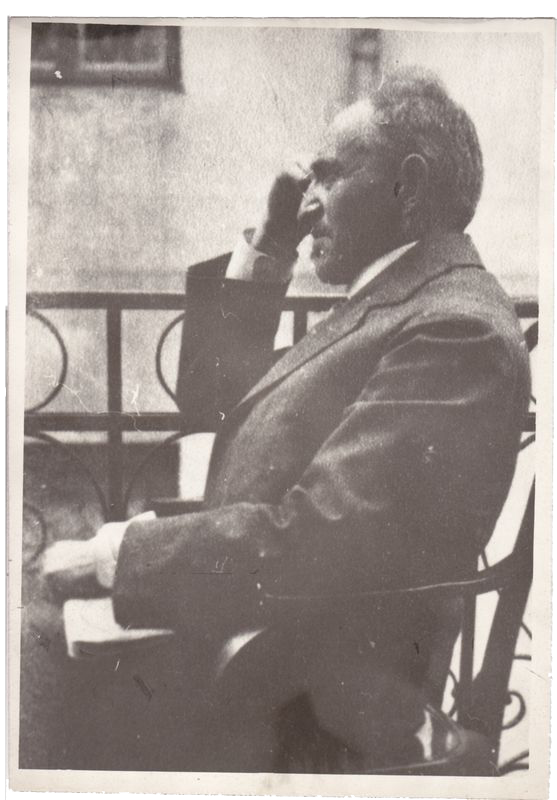
According to religious regulations there are two traditions for selecting the names for Jewish boys. Shem kodesh (Hebr. sacred names) or ojfruf-nemen (Yiddish) is the sacred name given to a boy on the day of circumcision (on the 8th day after birth) and later is used to call the man to read Torah in the synagogue. A sacred name is written on maceva – a tomb. Another tradition was to give secular names – kinuim (Hebr.), ruf-nemen (Yid.) Sacred names are usually of Hebrew and Aramaic origin whereas the origin of secular names varies, they are made from colloquial shortenings or diminutive name forms. The names for girls do not have strict regulations as womens‘ names are not divided into sacred or seculiar. The name of a dead relative was often given for boys or girls.
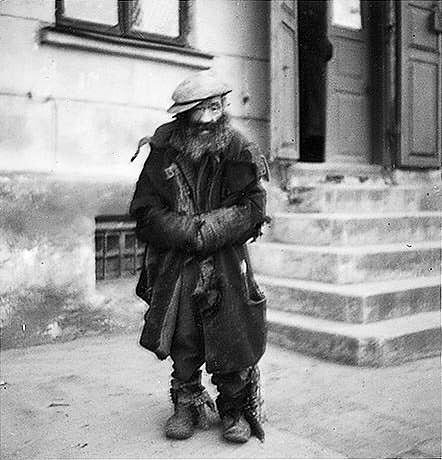
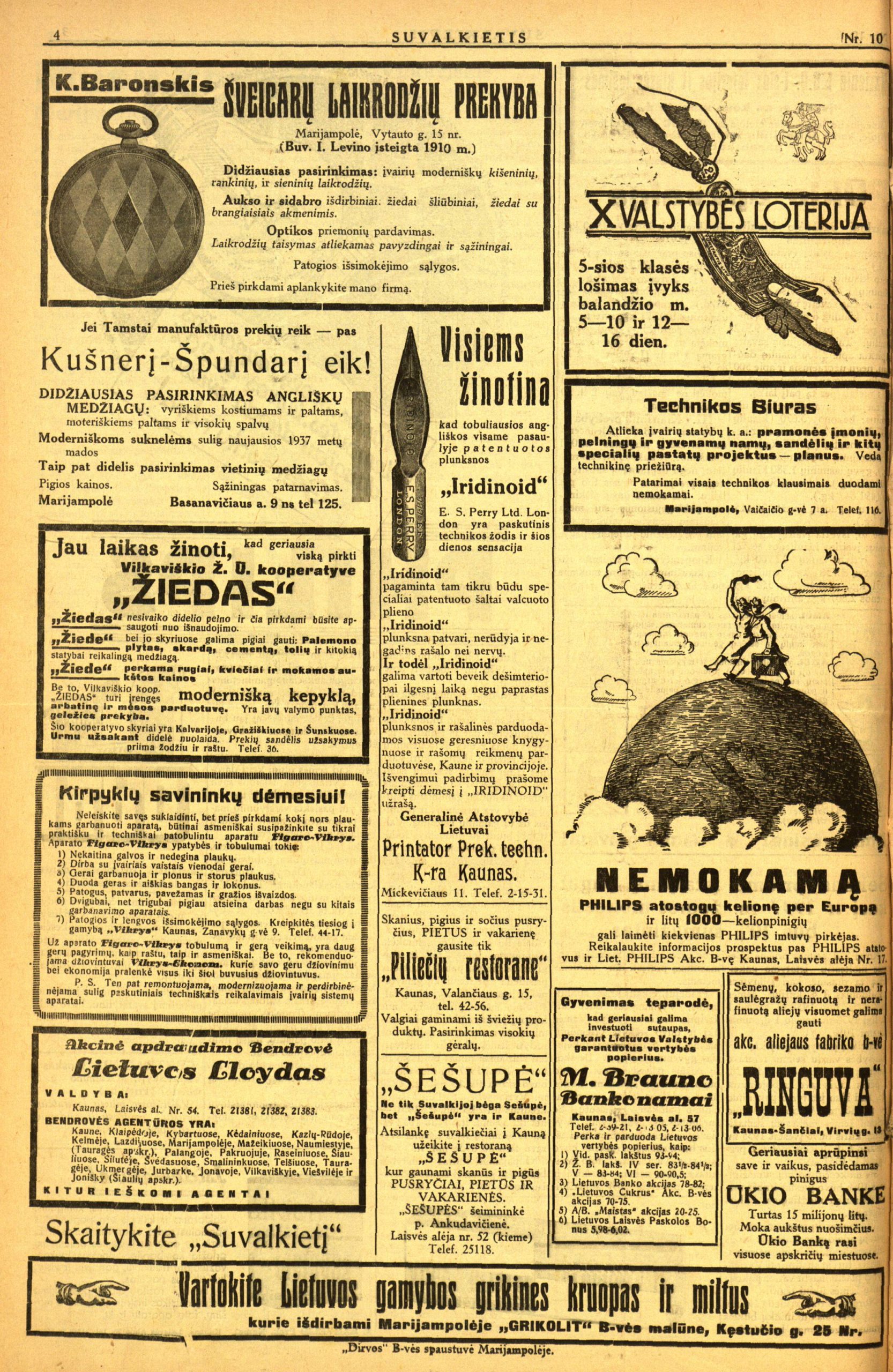
A lot of people from Marijampolė knew a local beggar Judel Meir. (photo). They also went to several photo studios owned by Jewish photographers Leon Ansher, Moisei (Moses) Buhalter, Jakob Vinsberg, Judel Fridberg, Abraom Pimshtein or were in their photos picturing town festivals or everyday life. “The Suvalkietis“ (1937, March 6), a newspaper published in Marijampolė, advertised K. Bronsky Swiss watches shop where one could buy exceptional and luxurious goods and engagement rings. Those who suffered from toothache were invited to visit a new “Tooth treatment office“ of S. Kaplan situated in a very convenient place in Basanavičius St. 11, next to the bus stop. Those were the names and surnames of Jews living in Marijampolė. However, the Jews did not always have both a name and a surname. In the period of Grand Duchy of Lithuania the Jews were called by a name and their father‘s name, they did not have a surname. The father‘s name was formed according to the rules of Slavonic formation with the suffix – ovič. Only some of the rabbis‘ families in the Grand Duchy of Lithuania had surnames originating from Western Europe.
Jews were obliged to have surnames only during the times of The Russian empire after the requirement to identify a person with both the name and the surname was issued in 1804. The majority of Jewish surnames were simply thought of in Jewish communities by adapting formation models. The surnames were formed from professions, the names of fathers, women or men, or their shortenings and place names. Such surname is Marijampolskij – when the suffix -skij was added to the name of the town. The majority of people with such surnames live in the USA, Poland and Australia. Hopefully, the owners of this surname have visited the town which gave them their identity.